FREE UK DELIVERY - Orders over £100

30 DAY RETURNS - Fast & hassle free

PRICE MATCH PROMISE - Find it cheaper we'll match it

SECURE PAYMENT - Safe & encrypted checkout

Neoprene Swim Caps & Hoods

Neoprene Swim Caps & Hoods for Open Water Swimming

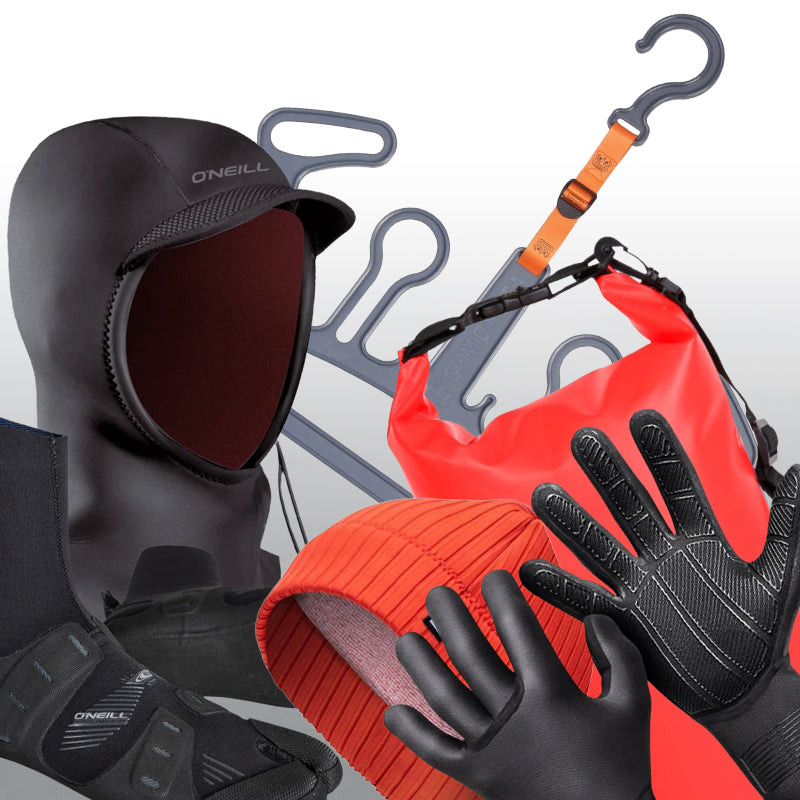
Shop neoprene swim caps, beanies and wetsuit hoods for open water swimming, cold-water training, triathlon and other watersports from Orca, Zone3, C-Skins, O’Neill, Patagonia and Xcel. Available in 2mm, 2.5mm and 3mm styles, they add insulation around the head and ears while allowing comfortable movement. Choose a lightweight cap or beanie for flexible coverage, or a full hood for greater warmth in colder conditions.

Shop all Swim Wetsuits

Choosing the Right Neoprene Swim Cap or Hood

The right neoprene headwear will depend on the water temperature, the length of your session and how much coverage you need. Thickness affects both warmth and flexibility, while features such as chin straps, face seals and neck panels influence how securely the cap or hood fits and how well it limits cold-water flushing.

  • Neoprene swim caps: A close-fitting swim cap provides insulation around the head and ears without the additional bulk of a full hood. Its streamlined shape makes it suitable for open water swimming, training and triathlon.
  • Wetsuit beanies: Neoprene beanies provide flexible coverage around the head and ears and can be a comfortable option for milder water or shorter sessions. Some designs include a chin strap to help keep the beanie securely in position.
  • Full wetsuit hoods: A full hood offers greater coverage around the head, ears, chin and neck, making it better suited to colder conditions and longer sessions. Some hoods include an extended neck panel designed to sit beneath the wetsuit collar and help reduce water flushing.
  • 2mm, 2.5mm and 3mm options: Lightweight 2mm neoprene provides greater flexibility for milder conditions. A 2.5mm cap or hood offers a balance between warmth and movement, while 3mm neoprene provides additional insulation for colder water. The best choice also depends on your sensitivity to cold.
  • Chin straps, face seals and visibility: A chin strap can help prevent a cap or beanie from moving during your swim, while a close face seal can limit water movement through a full hood. Bright or high-visibility colours can make your head easier to see in open water, although they should not replace other visibility equipment such as a brightly coloured tow float.

Choose a design that provides the insulation and coverage you need without restricting head movement, hearing, breathing or visibility.

How Should a Neoprene Swim Cap or Hood Fit?

A neoprene swim cap or hood should fit closely enough to remain secure while swimming without causing headaches, painful pressure or restricted movement. A snug fit helps retain warmth and reduces water movement inside the neoprene, but the cap or hood should still feel comfortable when you turn your head and breathe normally.

  • Close but comfortable: The neoprene should sit securely against your head without feeling painfully tight across the forehead, temples or jaw. The cap or hood should remain in position when you move your head from side to side.
  • Comfortable ear coverage: Your ears should be completely covered without being folded or compressed uncomfortably. If the material repeatedly rides above the ears, the size or shape may not be suitable for your head.
  • Minimal loose neoprene: There should be very few folds, gaps or loose areas around the crown, sides of the head and back of the neck. Excess space can collect water, reduce warmth and allow the cap or hood to move while swimming.
  • Secure chin strap or face opening: A chin strap should sit comfortably beneath the chin without pressing against the throat. On a full hood, the face opening should form a close seal without obstructing your mouth or nose, restricting breathing or placing excessive pressure around the face.
  • Check the size guide: Sizing and head shapes can vary between Orca, Zone3, C-Skins, O’Neill, Patagonia and Xcel. Always use the size guide on the individual product page rather than relying on the size of another cap or hood you already own.

Try the cap or hood on when dry and check that you can turn your head, open your mouth and breathe comfortably. If it causes persistent pressure, slips out of position or leaves large folds of neoprene, try another size or design.

Neoprene Swim Cap & Hood FAQs

What thickness should a neoprene swim cap be?

The best thickness depends on the water temperature, the length of your swim and your sensitivity to cold. A flexible 2mm neoprene cap is suitable for milder conditions and swimmers who prioritise freedom of movement. A 2.5mm option offers a balance between warmth and flexibility, while a 3mm cap or hood provides additional insulation for colder water and longer sessions.

What is the difference between a neoprene swim cap and a wetsuit hood?

A neoprene swim cap usually covers the head and ears while maintaining a lightweight, streamlined fit for continuous swimming. Some caps include a chin strap for added security. A full wetsuit hood provides greater coverage around the head, ears, chin and neck, making it better suited to colder conditions. This additional coverage may feel bulkier than a swimming-specific cap.

Is a neoprene swim cap warmer than a silicone cap?

A neoprene swim cap generally provides more insulation than a standard silicone cap. Neoprene traps a thin layer of water and helps insulate your head from the colder water outside, while silicone caps are primarily designed to provide a close, streamlined fit and help manage the hair. The most suitable option depends on the water temperature and the amount of warmth you need.

Do neoprene swim caps keep your hair dry?

No. Neoprene swim caps and wetsuit hoods are not completely waterproof, so your hair will usually become wet. A close fit can reduce water movement inside the cap, but water may still enter around the edges, face opening or seams. Their main purpose is to provide insulation rather than keep the head completely dry.

How tight should a neoprene swim cap or hood fit?

A neoprene cap or hood should feel snug without causing headaches, painful pressure or restricting circulation. It should cover the ears comfortably and remain secure when you turn your head. There should be minimal loose material or folds, while any chin strap or face opening should fit closely without restricting breathing or jaw movement.